
By Marie-Dominique Rail · Originally published November 25, 2018 · Revised edition
Sound has accompanied human spiritual life for thousands of years.
We find it in prayers whispered in solitude, in hymns shared by a community, and in sacred chants passed from one generation to another.
Through my relationship with music, I have come to appreciate how deeply sound can touch our experience of being present.
A familiar melody can awaken a memory. A voice can bring reassurance. A sustained note can invite us to listen more closely to our breathing and to the silence that surrounds it.
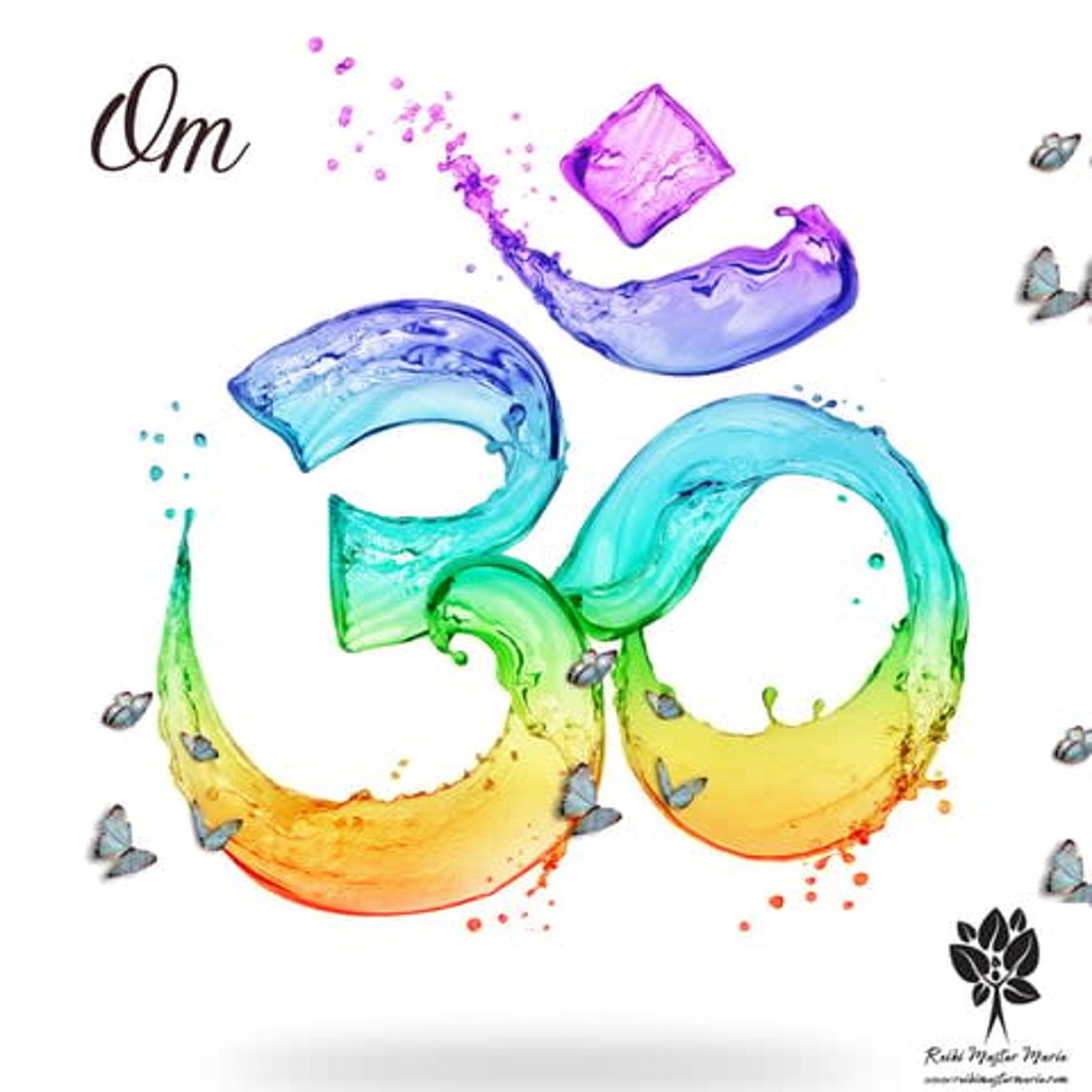
Among the sacred sounds preserved through spiritual traditions is Om, also written Aum.
The Meaning of Om
Om holds a profound place in Hindu spiritual and philosophical traditions.
It also appears in Buddhist and Jain practices, where its meanings and uses may differ.
Within Hindu thought, Om is often understood as a sacred syllable associated with ultimate reality, consciousness, and the unity of existence.
For practitioners within these traditions, Om may be part of prayer, devotion, meditation, or a broader spiritual discipline.
Its meaning reaches far beyond the experience of producing a sound.
I believe it is important to approach such practices with respect for the traditions and communities that have preserved them.
For someone exploring contemplative listening, Om can also invite attention to the relationship between sound, breath, and silence.
Listening Through the Body
When we hum, sing, or sustain a gentle tone, we may notice vibrations in the chest, throat, or face.
These sensations can bring our attention toward the present moment.
I find something meaningful in listening to the life of a sound.
It begins with the breath.
It becomes audible.
It changes as the breath moves.
And gradually, it fades.
Each part offers something to notice.
Some people experience calm through gentle vocalization. Others feel more comfortable listening quietly.
There is room for these different experiences.
The Silence That Follows
As a pianist, I have learned to appreciate the importance of silence.
A pause allows a musical phrase to settle. It gives space to what has just been heard and prepares us to receive what follows.
I recognize something similar in contemplative practice.
When a sustained sound fades, we may become more aware of the quiet around us.
We notice our breathing, the atmosphere of the room, or the sensations that remain in the body.
The silence becomes part of the experience.
Exploring the Sound
If this practice speaks to you, you may wish to explore it gently, with respect for its spiritual origins and your own comfort.
Find a place where you can sit comfortably.
Allow your breathing to remain natural.
When you feel ready, take an easy breath and softly vocalize Om during a comfortable exhalation.
Listen to the sound as it unfolds.
Notice its vibration, its changing tone, and the moment it fades.
Remain quiet for a little while.
You may repeat the sound if it feels comfortable, or simply continue listening.
There is no particular duration to achieve.
Listening to a traditional chant is another way of approaching this experience.
What Sound Invites Us to Notice
Music, silence, and contemplative practice have accompanied me through many seasons of life.
They continue to deepen my appreciation for the simple experience of listening.
A sound arises, travels through the air, touches our senses, and gradually disappears.
Our breathing follows its own rhythm.
For a moment, we become attentive to what is happening here.
And when the sound has faded, we may remain with whatever the experience has awakened within us.
Peace be with you, always.
Marie-Dominique Rail
Continue Exploring
Explore My Music · The Passages — Written Reflections
Related reflection: The Creation of Our Light Body.
Continue this reflection with HU — A Love Song to God.
Leave a Reply