
By Marie-Dominique Rail · Originally posted August 7, 2023
Blood, Inheritance, and the Stories We Carry
Blood has held profound meaning throughout human history.
It has been associated with life, ancestry, kinship, sacrifice, and belonging.
Within our bodies, blood performs essential biological functions.
It carries oxygen and nutrients, participates in immune responses, and supports the processes that sustain our physical existence.
Across cultures, it has also become a symbol through which people contemplate inheritance and identity.
These different meanings invite us to consider what we carry from one generation to the next.
The Biology of Blood
Our blood contains red blood cells, white blood cells, platelets, and plasma.
These components participate in oxygen transport, immune defense, clotting, and other essential processes.
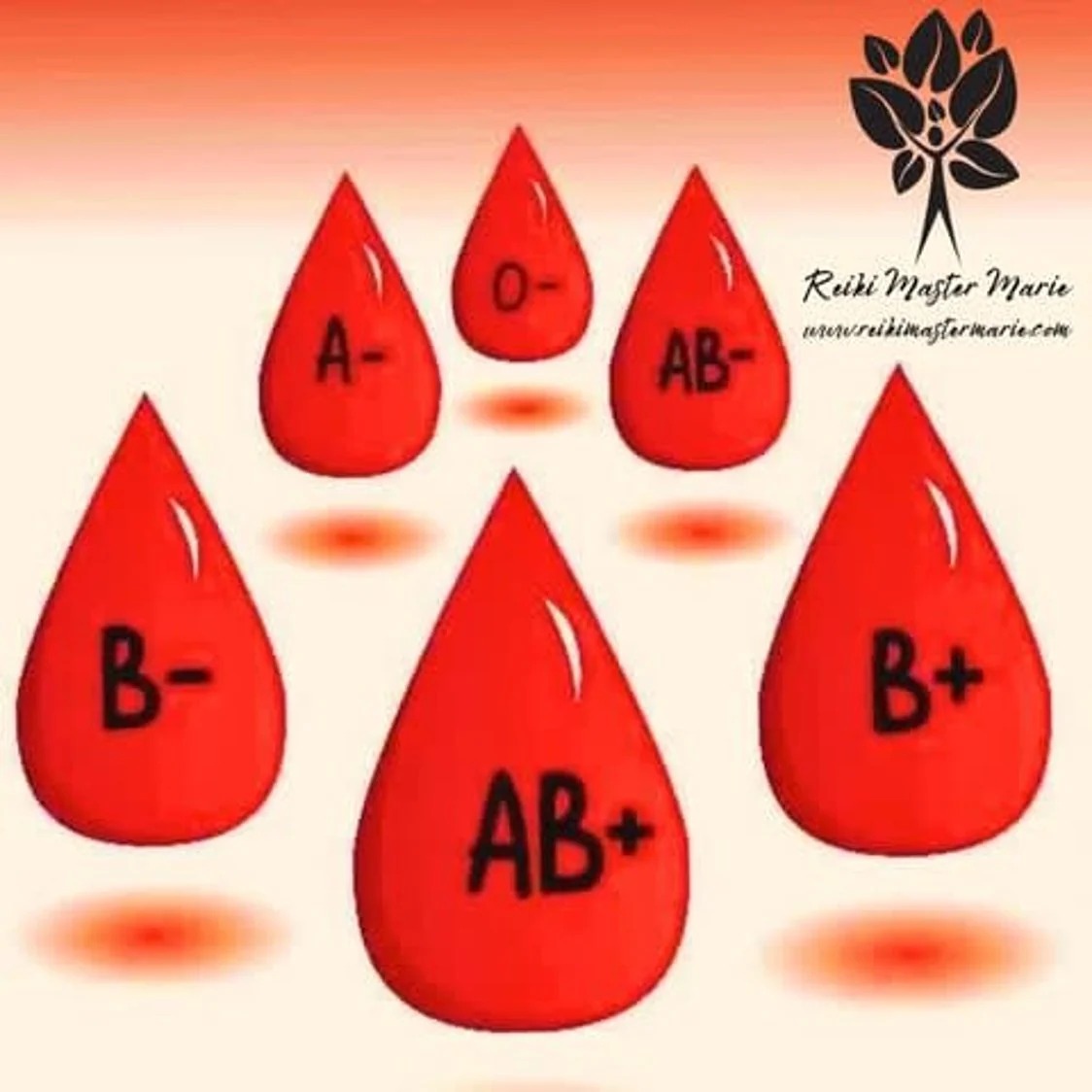
Blood groups, including the ABO and Rh systems, help determine compatibility for transfusions and certain medical procedures.
They are part of our biological inheritance.
Modern transfusion medicine relies upon careful testing and established medical protocols to protect patients.
Blood and the Language of Ancestry
Blood has often been used as a symbol of family connection.
We speak of bloodlines, shared ancestry, and the continuity of generations.
Our biological inheritance includes genetic information passed through our families.
Our personal inheritance also includes stories, languages, traditions, and experiences.
Some are preserved through memory.
Others are discovered through the lives of those who came before us.
The Search for Spiritual Meaning
Different spiritual and esoteric systems have assigned symbolic meanings to blood groups.
Some associate particular blood types with personality, intuition, or spiritual abilities.
Others propose unusual ancestral origins or special spiritual missions.
These claims are not supported by reliable scientific evidence.
A person’s blood type does not determine their spiritual worth, consciousness, or capacity for compassion.
We can appreciate the human desire for meaning while remaining attentive to the distinction between symbolism and established knowledge.
What We Carry Through Generations
Our families influence us in many ways.
We inherit biological characteristics.
We learn ways of communicating.
We receive memories and cultural traditions.
We may also encounter patterns that invite reflection.
Understanding these influences can help us recognize the complexity of our personal histories.
It can deepen our appreciation for the lives that preceded our own.
The Shared Dignity of Life
Every person carries a unique history.
Our bodies reflect the extraordinary diversity of human life.
Our experiences shape the ways we understand ourselves and others.
I believe our shared humanity deserves greater attention than the categories through which we sometimes seek to distinguish ourselves.
Blood sustains our physical existence.
The meanings we associate with it may invite reflection on belonging, inheritance, and connection.
And through the relationships we create, we continue contributing to the stories that future generations will carry.
Peace be with you, always.
Marie-Dominique Rail
Editorial note: This reflection explores blood symbolism while distinguishing cultural and spiritual interpretations from established medical science.
Continue Exploring
Beyond Biology · Remembering Who We Are · Water, Life, and the Wisdom of Hydration · The Sacred Missions of the Soul
Leave a Reply