
By Marie-Dominique Rail · Originally posted May 5, 2024
A Personal Reflection on Recovery, Gentle Rituals, and the Need for Discernment
After my bone marrow transplant, my relationship with my body changed profoundly.
Treatment had asked so much of it.
My skin had become fragile.
Ordinary sensations felt different.
I was learning to recognize needs that had once seemed familiar.
I remember my oncologist speaking to me about the effects of treatment on my skin.
His words stayed with me.
They reminded me of the importance of caring for a body that had endured so much.
During this period, castor oil became part of my personal routine.
I came to associate the simple gesture of applying oil with a moment of tenderness toward myself.
Learning to Care for a Changed Body
Recovery can transform our relationship with our bodies.
We may discover new sensitivities.
Changes in energy.
A need for additional rest.
Or uncertainty about how to respond to physical discomfort.
These experiences can be especially complex after intensive medical treatment.
Our bodies deserve care informed by their particular needs.
For me, this included learning to slow down and pay attention to what felt comfortable.
Understanding Castor Oil
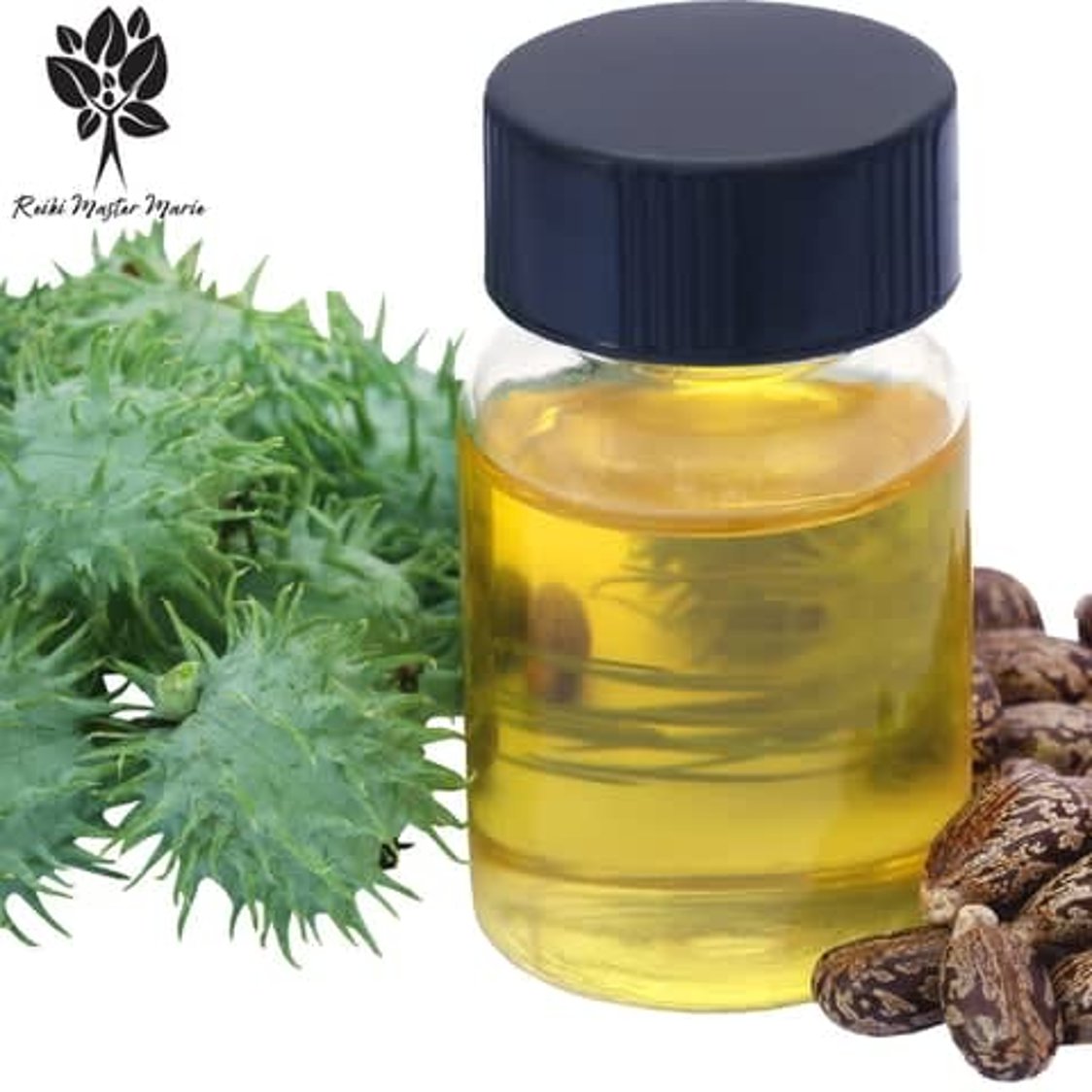
Castor oil is obtained from the seeds of the castor plant, Ricinus communis.
It has a long history of cosmetic and traditional use.
Its fatty-acid composition, particularly its high proportion of ricinoleic acid, contributes to its distinctive texture.
Castor oil is used in some skin and hair products as an emollient.
It may help reduce moisture loss from intact skin.
However, claims that it regenerates damaged tissues, stimulates lymphatic detoxification, strengthens immunity, or treats serious inflammatory conditions are not established by reliable clinical evidence.
A Personal Experience of Comfort
I remember the importance of small gestures during recovery.
Taking time to care for my skin.
Recognizing its sensitivity.
Approaching my body with greater patience.
The meaning of these gestures extended beyond the product itself.
They became moments of attention.
A way of acknowledging what I had experienced.
A way of recognizing that my body continued to accompany me through an unfamiliar passage.
My experience remains personal.
It cannot establish that castor oil is safe or effective for every person recovering from medical treatment.
Important Precautions After Treatment
Skin that has been affected by chemotherapy, radiation, transplantation, infection, or other medical conditions may require specialized care.
Products applied to the skin can cause irritation or allergic reactions.
Castor oil should not be applied to open wounds, burns, infected skin, or medically fragile areas without guidance from a qualified clinician.
People recovering from transplantation or receiving immunosuppressive treatment should follow their care team’s recommendations.
Castor-oil packs have not been shown to detoxify the liver or strengthen the immune system.
Castor oil taken by mouth is a stimulant laxative and can cause cramping, diarrhea, dehydration, and electrolyte disturbances. It should not be used internally without appropriate medical advice, particularly during recovery from serious illness.
A Ritual of Gentle Attention
For someone whose skin is intact and who has been advised that a particular moisturizer or oil is suitable, applying it can become a quiet moment of care.
You may choose a comfortable place.
Notice the temperature of the room.
Allow yourself a few unhurried breaths.
Apply the product gently, according to its directions and your medical guidance.
Recognize the sensations that arise.
You may wish to hold a simple intention:
May I meet my body with tenderness.
May I recognize what it needs today.
May I offer myself patience through this passage.
The gesture does not need to promise healing.
Its meaning may rest in the care we bring to it.
The Body as a Companion
I have learned that recovery includes many forms of attention.
Medical care.
Rest.
Nourishment.
Movement when appropriate.
The companionship of people we trust.
And the gradual discovery of how to live within a body that has changed.
These experiences can deepen our understanding of tenderness.
We may begin to recognize that our bodies have accompanied us through every difficult passage.
They deserve our respect.
What Remains with Me
Castor oil became part of a personal memory of recovery.
What remains most meaningful is the invitation I discovered through those moments of care.
To approach my body with gentleness.
To recognize its limits.
To appreciate its efforts.
And to remain attentive to the life continuing within me.
I carry that understanding into the ordinary gestures of each day.
Peace be with you, always.
Marie-Dominique Rail
Editorial note: This article preserves a personal experience following bone marrow transplantation while distinguishing it from medical evidence. Claims that castor oil repairs tissues at the cellular level, treats burns or scars, detoxifies organs, stimulates lymphatic drainage, strengthens immunity, or heals the digestive system have been removed. Use after intensive treatment should be discussed with the treating clinical team.
Continue Exploring
Healing Is a Return to Wholeness · Nourishing the Body: Beyond the Alkaline Diet
Leave a Reply