
By Marie-Dominique Rail · March 15, 2021
A Reflection on Nutrition, Research, and Discernment
Editorial note — Updated in 2026: This article revisits earlier ideas about fasting, fruit, and cancer in light of the importance of reliable medical information. It is offered for general reflection and does not replace individualized medical advice.
Our relationship with food can change profoundly when illness enters our lives.
Questions about nourishment, digestion, energy, and recovery may become more important than ever.
We may encounter many different recommendations, particularly when searching for ways to support our health.
Some come from established nutritional research.
Others emerge from traditional practices, personal experiences, or theories that have yet to be adequately studied.
Learning to distinguish between these sources is an important part of making informed choices.
Understanding Cancer and Nutrition
Cancer is a complex group of diseases involving abnormal cell growth.
Its development and treatment depend on many biological factors.
Nutrition can play an important role in supporting general health and helping people maintain strength during medical treatment.
However, no particular food or eating pattern has been established as a cure for cancer.
Dietary needs also vary considerably.
Someone undergoing chemotherapy may require a different nutritional approach from a person recovering from surgery or managing a chronic digestive condition.
These differences deserve careful attention.
What We Know About Fasting
Fasting has a long history in religious, cultural, and personal practices.
Researchers have also explored whether certain fasting patterns may influence metabolism and other biological processes.
Studies involving fasting and cancer are ongoing.
At present, prolonged fasting has not been established as a safe or effective treatment for cancer.
It may create serious risks for people experiencing weight loss, malnutrition, weakness, or the effects of medical treatment.
The idea that fasting can selectively starve cancer cells while protecting healthy tissues is an oversimplification of complex biology.
Anyone considering fasting during illness should discuss the potential risks with their medical team and a qualified dietitian.
The Place of Fruit in a Nourishing Diet
Fruit can contribute valuable nutrients to our daily meals.
Different varieties provide combinations of fiber, vitamins, minerals, water, and plant compounds.
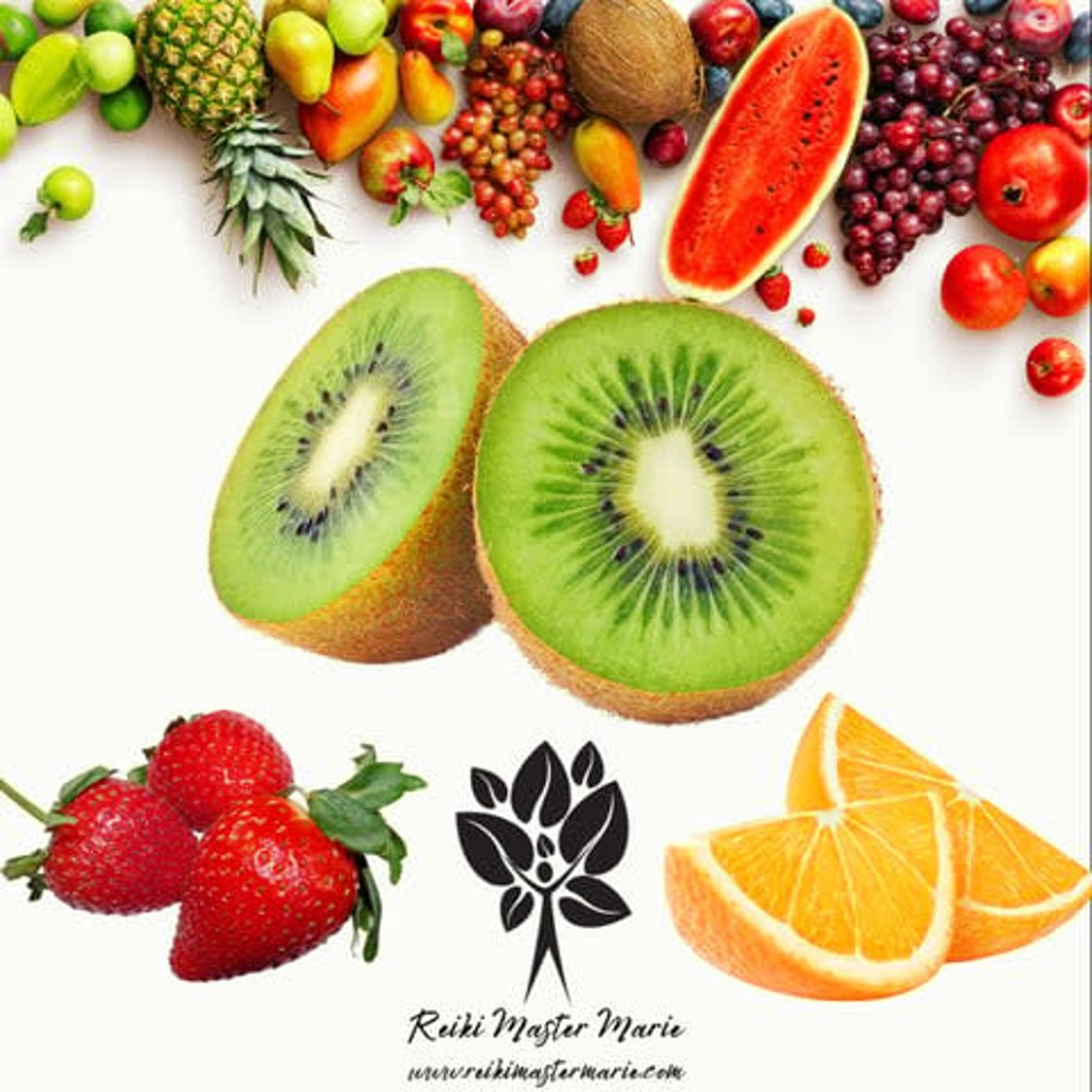
Kiwi offers vitamin C and fiber.
Apples provide fiber and naturally occurring plant compounds.
Strawberries contain vitamin C and polyphenols.
Oranges contribute vitamin C and fluid.
Watermelon provides water and lycopene.
Guava and papaya offer vitamin C and other nutrients.
The benefits of these foods are best understood within the context of an overall balanced diet.
Their nutritional qualities do not mean that they prevent or treat cancer on their own.
Fruit and Digestion
Some traditional dietary approaches recommend eating fruit separately from other foods.
For most people, there is no established medical need to eat fruit on an empty stomach.
The digestive system is capable of processing different foods together.
Individual tolerance, however, can vary.
A person experiencing reflux, bloating, delayed digestion, or other gastrointestinal symptoms may benefit from individualized dietary guidance.
The aim is to find a nourishing approach that respects the body’s needs.
Food, Care, and Recovery
A meal can offer physical sustenance, pleasure, comfort, and an opportunity for connection.
During illness or recovery, the experience of eating may become more complicated.
Appetite can change.
Digestion may require special attention.
Fatigue may influence the preparation of meals.
These circumstances invite practical compassion.
Appropriate medical guidance, adequate nourishment, food safety, and attention to individual needs are essential.
Choosing with Discernment
When we encounter a new nutritional recommendation, a few questions may help us evaluate it.
What evidence supports the claim?
Has it been studied in people with the condition being discussed?
What risks might it carry?
Does it conflict with prescribed treatment or individual medical needs?
These questions allow us to remain curious while protecting our well-being.
I believe caring for ourselves includes the freedom to ask questions, seek reliable information, and make decisions with the support of qualified professionals.
Food can remain a meaningful part of our relationship with life.
A source of nourishment.
A place of creativity.
And one of the many ways we care for the body that accompanies us.
Peace be with you, always.
Marie-Dominique Rail
Continue Exploring
Cooking with Presence · From Nourishing the Body to Accompanying the Soul · Beyond Recovery · Recipes
Leave a Reply